
Project Information
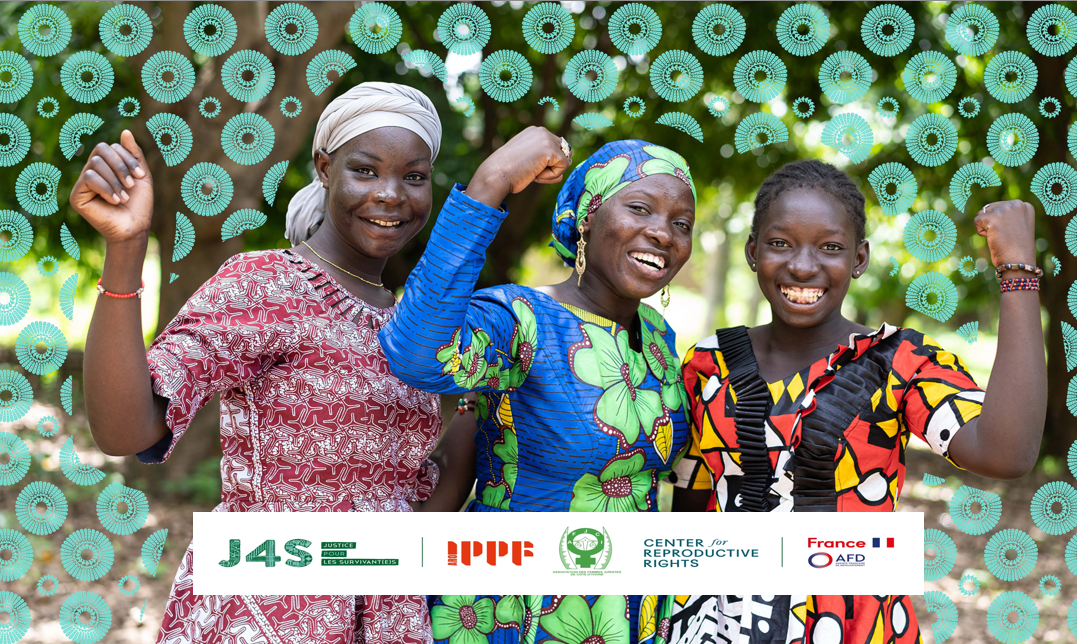
Strengthening Justice Pathways for Survivors of GBV in Samburu County
As a youth-led grassroots organisation advancing gender justice, Hope for Samburu Communities (HFSC) is implementing this critical project to transform how gender-based violence is addressed. Operating across Samburu North, Samburu West, and Samburu East, this initiative targets communities heavily impacted by GBV, female genital mutilation (FGM), child marriage, teenage pregnancy, and economic exclusion
The overall goal of this project is to improve access to justice and accountability for GBV survivors in Samburu County. It achieves this by strengthening survivor agency, increasing justice-sector responsiveness, and reinforcing community-level support structures.
Key Activities & Impact
Our integrated prevention and response framework is built on several key strategic pillars:
Multi-Stakeholder Coordination
We lead multi-stakeholder inception meetings and coordinate forums bringing together police, courts, health facilities, chiefs, village administrators, and religious leaders to establish clear, seamless referral pathways.
Justice-Sector Capacity Building
The project actively trains healthcare workers, police officers, prison staff, and judicial personnel to provide survivor-centered, rights-respecting services that protect the dignity of survivors
Engaging Morans & Youth
Conducted community-wide male engagement sessions, targeted sensitization in schools for boys, and used youth sports tournaments to spread GBV awareness
Legal Empowerment
We equip community paralegals and youth GBV Champions with the tools needed to provide legal awareness, manage safe documentation, and offer direct survivor accompaniment through the justice system.
Sustaining County Networks
To ensure long-term structural impact, we actively strengthen GBV Technical Working Groups (TWGs) at the county, sub-county, and ward levels
Frequently asked question
Who were the target beneficiaries of this project?
This project directly benefits women, adolescent girls, and active GBV survivors, with a specific focus on protecting young girls who are at immediate risk of FGM, early forced marriage, and teenage pregnancy. To build a safe ecosystem around these survivors, the project also directly targets frontline responders and duty-bearers, including healthcare workers, police and justice actors, chiefs, and local administrators. Crucially, the intervention reshapes community structures from within by engaging traditional elders, religious leaders, community paralegals, and Morans to serve as proactive champions for gender justice.
What can you find on this project page?
On this project page, you will find a wealth of resources mapping out our progress in reducing case attrition and ensuring high-quality, admissible evidence for GBV cases. Visitors can explore documentation on our multi-sectoral referral pathways, frameworks for our legal empowerment trainings, and updates from our active paralegal networks. Additionally, this section highlights our ongoing advocacy campaigns, field photos, and long-term strategies aimed at dismantling patriarchal norms and creating sustainable, community-led reporting structures across all three sub-counties.